
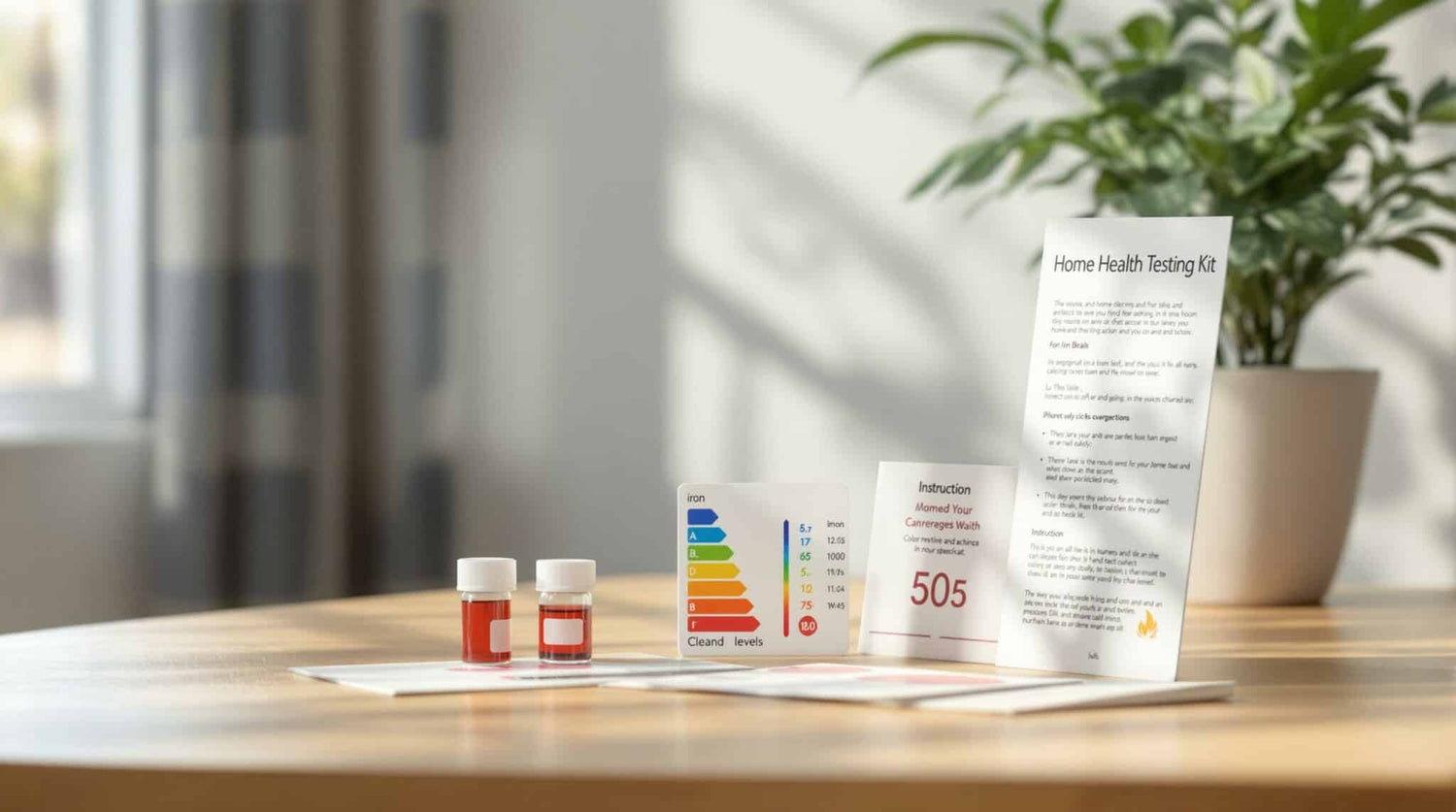
Identifying Iron Deficiency: Home Testing & Diagnosis
Iron deficiency can cause fatigue, concentration problems and hair loss – but how can you recognize it early? Home tests offer a simple way to check your iron status by measuring the ferritin level in your blood. Especially practical for risk groups such as pregnant women, vegetarians, or people with chronic conditions.
Key facts at a glance:
- Symptoms: Fatigue, pale skin, brittle nails, hair loss.
- Home tests: Measure ferritin levels, easy to use, results in about 10 minutes.
- When to test? If you have symptoms, eat an iron-poor diet, or as a preventive measure for risk groups.
- Diet: Meat, legumes, and green vegetables help prevent iron deficiency.
Tip: Home tests are a good start, but they do not replace a medical diagnosis. If you have abnormal results or persistent symptoms, you should see a doctor.
Recognising the Signs of Iron Deficiency
Common Physical Symptoms
Iron Deficiency can make itself known through various physical complaints.
| Main Symptoms | Other Signs |
|---|---|
| Fatigue and exhaustion | Shortness of breath |
| Pale skin | Rapid heartbeat |
| Brittle nails | Swollen tongue |
| Hair Loss | Cracked corners of the mouth |
Psychological and Emotional Symptoms
Iron Deficiency does not only affect the body, but can also impair mental well-being. Those affected often report:
- Concentration problems
- Memory disturbances (often referred to as "Brain Fog")
- Mood swings
- Irritability and inner restlessness
These symptoms are often overlooked or misinterpreted.
When Testing Makes Sense
It is advisable to consider a test for Iron Deficiency if:
- several of the symptoms mentioned occur at the same time
- the complaints persist over a longer period of time
- you belong to one of the risk groups
Less common symptoms such as restless legs syndrome or unusual cravings, for example for ice or earth, can also indicate an Iron Deficiency.
When assessing your symptoms, your dietary habits play an important role. If you eat a diet low in iron and at the same time have the complaints mentioned, this could be an additional indication of a deficiency.
In the next section you will learn how you can use Home tests to check your iron status.
Using Iron Deficiency Tests at Home
What types of tests are available?
With special blood drop tests that measure ferritin levels, you can conveniently check your iron status at home. All it takes is a small drop of blood from the fingertip.
What should you look for when choosing a test kit?
A good test kit should meet the following criteria:
| Criterion | Why it is important |
|---|---|
| Reliability | Scientifically tested, at least 94% accuracy |
| Ease of use | Easy-to-understand instructions and simple application |
| Result display | Clear and easy-to-read results |
For this purpose, we have developed the parahealth Diagnostics Iron Deficiency Test . It meets all standards and can therefore be used at home.
How do you perform the test?
1. Preparation and sample collection
- Wash hands thoroughly with warm water.
- Prepare the test materials.
- Disinfect the fingertip and use the lancet to obtain a drop of blood.
- Wipe away the first drop and use the second one for the test.
2. Perform the test
- Apply the blood drop according to the instructions.
- Observe the specified waiting time – usually about 10 minutes.
3. Read the results
- The results are indicated by control and test lines, similar to a pregnancy test.
- A valid display always contains a control line.
"Ferritin is a very good marker of iron status," explains Prof. Dr. Thomas Frieling, Director of the Department of Internal Medicine II with Gastroenterology at Helios Klinikum Krefeld and member of the German Society of Gastroenterology, Digestive and Metabolic Diseases.
Note: Even when used correctly, home tests can be inaccurate. If symptoms persist or the results are unclear, please see a doctor for further examinations.
In the next section, you will learn more about other ways to check your iron status.
Other ways to monitor iron levels
Keep a food diary
Use a food diary or an app to keep track of your daily iron intake. This way, you can specifically include iron-rich foods in your diet. Especially recommended are:
- Meat and fish
- Legumes
- Green vegetables
- Fortified cereal products
Keeping a food diary complements home tests and gives you a better understanding of your iron status.
Noticing changes in your body
Pay attention to physical signals that could indicate iron deficiency. Pay particular attention to your:
Everyday performance:
- Do you get tired more quickly than usual?
- Do you feel the need to rest more often?
- Do you need longer recovery times after physical activity?
A symptom diary can help you systematically record such changes. These records can not only sharpen your own observations but also provide your doctor with valuable clues.
Hinweis: These methods do not replace a medical diagnosis. If symptoms persist, you should definitely consult a doctor – even if your own observations seem unremarkable.
If you notice signs that could indicate iron deficiency, you should consider further diagnostic measures.
When to See a Doctor
If your observations or home test results indicate a possible iron deficiency, it is advisable to consider a medical examination.
In Case of Unclear or Abnormal Test Results
Discuss the following points with your doctor:
- Your test results, symptoms, and dietary habits
- The type of test used and possible limitations
In Case of Persistent Complaints Despite Normal Results
If certain complaints persist despite normal test results, a visit to the doctor is advisable. These include:
- Severe shortness of breath
- Chest pain
- New, serious symptoms
Risk Groups with a Higher Risk of Iron Deficiency
As mentioned earlier, there are certain groups of people who have an increased risk of iron deficiency. Here are some recommendations for monitoring:
| Risk Group | Characteristics | Recommended Check-ups |
|---|---|---|
| Pregnant women | Higher iron requirement due to blood volume and fetal development | Regular check-ups with the gynecologist |
| Growing children | Increased requirement due to growth spurts | Preventive check-ups with the pediatrician |
| People with chronic conditions | Possible problems with iron absorption | Regular check-ups with a specialist |
Hinweis: A ferritin level below 40 mg/dl may indicate an iron deficiency. However, note that inflammation in the body can affect these values.
Preparing for the Doctor's Visit
To prepare optimally for your doctor's visit, you can:
- Keep a symptom diary to better document changes
- Adjust your diet and incorporate iron-rich foods
- Avoid substances like coffee or tea that impair iron absorption
Early clarification by a doctor can help avoid health problems and improve your quality of life.
Conclusion: Monitoring Your Health with Home Tests
With home tests, you can conveniently and reliably keep track of your iron levels. They help detect possible deficiencies early and complement the monitoring of your symptoms.
How to Use Home Tests Effectively
Home tests offer many advantages for your preventive healthcare:
- They help detect possible signs of iron deficiency early.
- They can be performed flexibly at home without time pressure.
- They are a cost-effective alternative to frequent doctor visits.
To get the best results from the tests, you should keep the following in mind:
- Perform the tests regularly every 3-6 months.
- Choose only tests from reputable providers.
- Record your results and monitor any possible symptoms.
- Ideally, test in the morning on an empty stomach.
Note: Home tests do not replace a medical diagnosis. If you have abnormal results or persistent symptoms, you should definitely consult a doctor.
Important Tips for Use
To effectively integrate home tests into your preventive healthcare, you should:
- Follow the instructions carefully.
- Evaluate the results with care.
- See a doctor promptly if you have unusual values.
With these steps, you can monitor your health independently and seek medical support in a timely manner when needed.
Frequently Asked Questions
How reliable are iron deficiency home tests?
Home tests with laboratory analysis usually deliver precise results. It is crucial to follow the instructions carefully and to collect a sufficient amount of blood. Reliability depends heavily on correct application.
What types of home tests are available for iron levels?
There are various home tests that work with a finger prick. Ferritin tests in particular are considered a reliable method for checking iron status. That is why we developed the parahealth diagnostics Iron Deficiency Test.
When is a home test advisable?
A home test is helpful if you notice symptoms of iron deficiency, as described in the section "Recognizing signs of iron deficiency". People in risk groups should speak with a doctor beforehand to clarify the need for a test.
| Advantages of home tests | Limitations |
|---|---|
| Fast results | Risk of user error |
| Cheaper than laboratory tests | No diagnosis of causes |
| Can be performed flexibly at home | Often not sufficient for at-risk patients |
These tests can be a useful way to monitor your own health status and take further action if needed.
Related Blog Posts
- 7 Important Hygiene Standards for Care Facilities
- Flu Season 2025: Rising Case Numbers & Current Situation
- Antiviral Resistance in SARS-CoV-2: An Update
- Pen Needles for Diabetics: Comparison and Buying Guide 2025
Related Collections:
Recommended Products
